Regional Production · Community Employment · Integrated Carbon
A regionally integrated production facility that co-locates Pongamia plantation management, oil extraction, fuel processing, carbon monitoring, and community employment within a single geographic catchment.
The Hub Model
The Bio-Hub model maximises value capture at the regional level rather than extracting raw material for processing elsewhere. Each hub serves as the anchor for a surrounding plantation catchment, with fuel distribution extending to mining operations, freight routes, and remote communities within supply range.
Seed pod intake, mechanical pressing, oil extraction and degumming on-site. Minimal transport of raw material — processing occurs at the point of production.
PD100™ refining, quality testing, and bulk fuel storage for regional distribution to mining operations, freight routes, and remote community generators.
Plantation carbon measurement, ACCU project management, and CER reporting. On-site data infrastructure supports both ERF methodology compliance and university research programmes.
Harvest crews, processing operators, logistics, and maintenance — local jobs created within the regional catchment. Employment pathway designed for skills development and long-term retention.
Data collection for university trials, agronomy research, and yield monitoring. Each hub contributes to the shared evidence base for Pongamia bioenergy development in Australia.
Local employment priority for Indigenous workers in harvest, processing, and operations roles. Employment structure designed in consultation with local community representatives.
Intercrop Programme
The 3–4 year period before first Pongamia seed harvest represents a capital deployment period with no fuel revenue. The intercrop programme addresses this by utilising the inter-row spacing for compatible annual crops during establishment years.
Pongamia's canopy development during years 1–3 creates a structured shading gradient in inter-row zones. Compatible crops — leguminous annuals, fodder species, and selected horticulture — can be cultivated in these zones, generating cash flow during the establishment period while contributing organic matter to the developing soil profile.
Inter-row cropping generates early revenue, improves soil organic matter, suppresses weed competition, and provides employment for the harvest crew during the pre-production years. It is a standard practice in tropical agroforestry systems and directly applicable to Pongamia plantations.
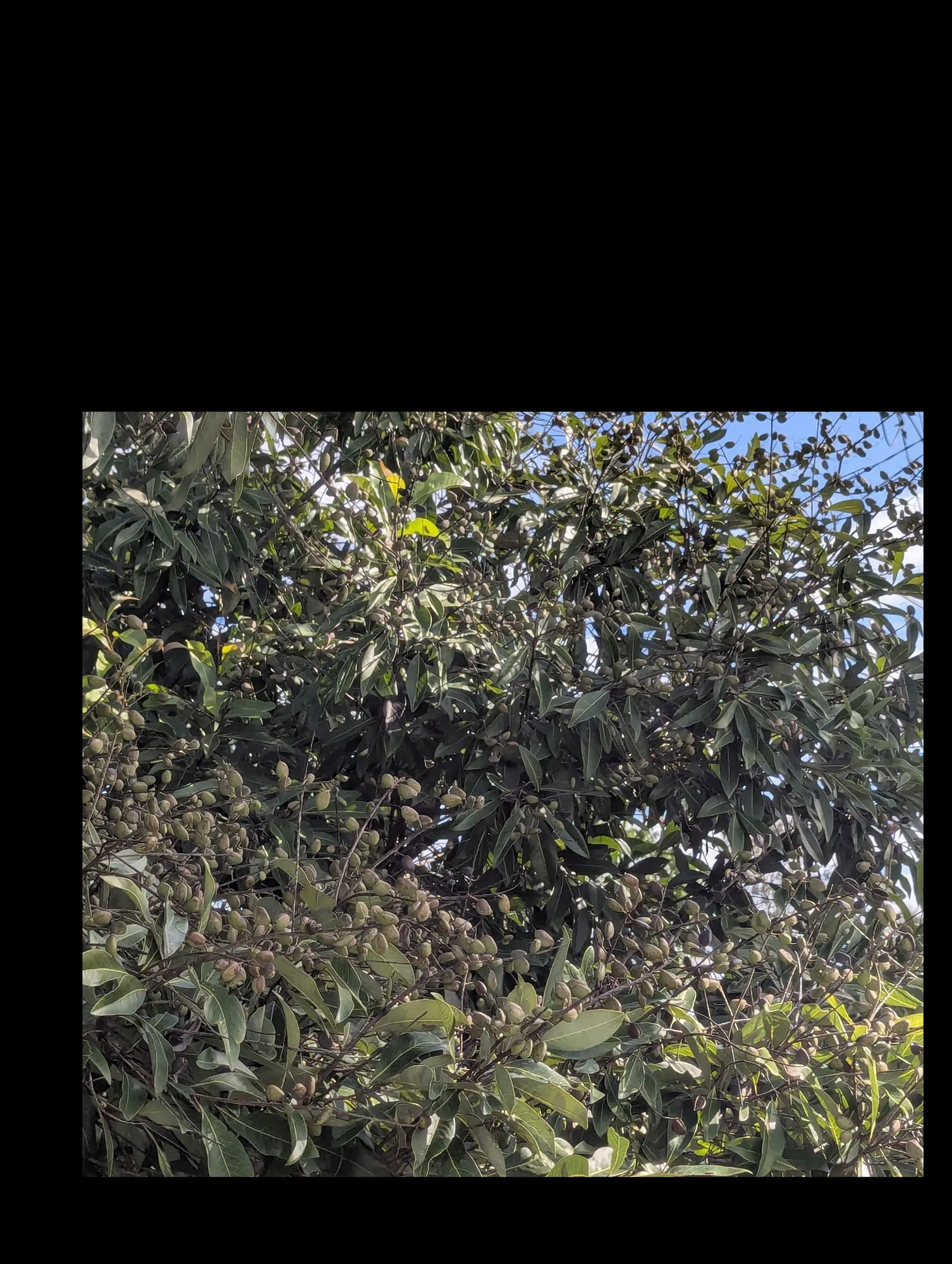
Seedcake & By-products
Oil extraction from Pongamia seeds produces a protein-rich press cake as a co-product. Rather than a waste stream, this by-product closes the loop of the bio-economy model.
Press cake is rich in nitrogen, phosphorus, and potassium. Applied to the plantation as a slow-release soil amendment, it continuously improves land fertility — reducing or eliminating synthetic fertiliser requirements in mature plantations.
The acid degumming step produces a phospholipid-rich gum stream that, when neutralised, becomes a liquid fertiliser. This is returned to the plantation via drip irrigation — a true closed-loop processing model with near-zero waste.
Research is ongoing into detoxification of the karanjin/pongamol bitter compounds in press cake for potential use as a protein supplement in ruminant feed systems. This would add a further commercial value stream to the same seed inputs.
GBA is actively seeking land managers, regional development organisations, and community groups interested in establishing a Green Bio-Hub. All enquiries treated in confidence.