2 October 2025
Aussie Government Commits $1.1bn to Low Carbon Liquid Fuels
The Cleaner Fuels Program opens the largest domestic biofuel funding window in Australian history.
Read More →Australian-Grown · CI Engine Compatible · Net Zero Carbon
Green Biofuels Australia produces PD100™ — a pure plant oil fuel from Pongamia pinnata trees grown on Australian marginal land. Designed for compression ignition engines, verified carbon-neutral, and supplied domestically without fossil processing inputs.
The Operating Context
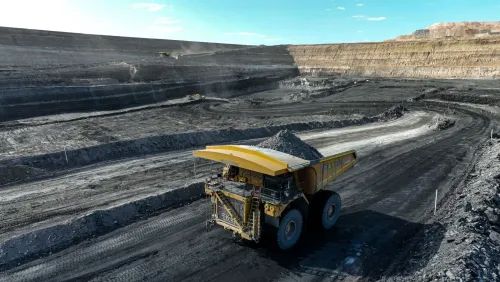
Australia's heavy industry — mining, freight, remote power generation — consumes billions of litres of mineral diesel each year. These sectors face tightening Safeguard Mechanism obligations but have limited near-term options for fuel switching.
Not yet commercially available at 300+ tonne payload class at scale. Trials are ongoing.
Available: Long TermRequires infrastructure that does not exist at remote Australian mine sites.
Available: Long TermGenuine drop-in but ~$0.50/L premium over mineral diesel, dependent on offshore supply chains.
~$0.50/L Premium, and double the PD100™ price.Limited domestic availability, typically more costly than diesel. OEM warranty typically capped at B20. Often uses food grade materials as feedstock.
Limited Availability · Higher CostPD100™ is produced from Pongamia oil using a low-capital processing chain — no transesterification, no fossil methanol inputs. Designed for the Australian diesel engine market, with a target commercial price point comparable to mineral diesel. Viscosity management is required for modern common-rail engines — pre-heating is the established countermeasure.
Key Properties
Biogenic CO₂ from PD100™ combustion does not count against fossil Scope 1 totals under NGER reporting. The associated plantation simultaneously generates ACCU sequestration credits — two abatement levers from one supply chain.
No fleet replacement required. Pre-heating for modern diesel engines is the key engineering step. Modifications are modest, well-documented, and compatible with routine fleet maintenance programmes.
Grown on Australian marginal land. Processed in Australia. Delivered in Australia. No exposure to international commodity markets or offshore refining costs. Consistent with Guarantee of Origin Scheme traceability requirements.
The Feedstock
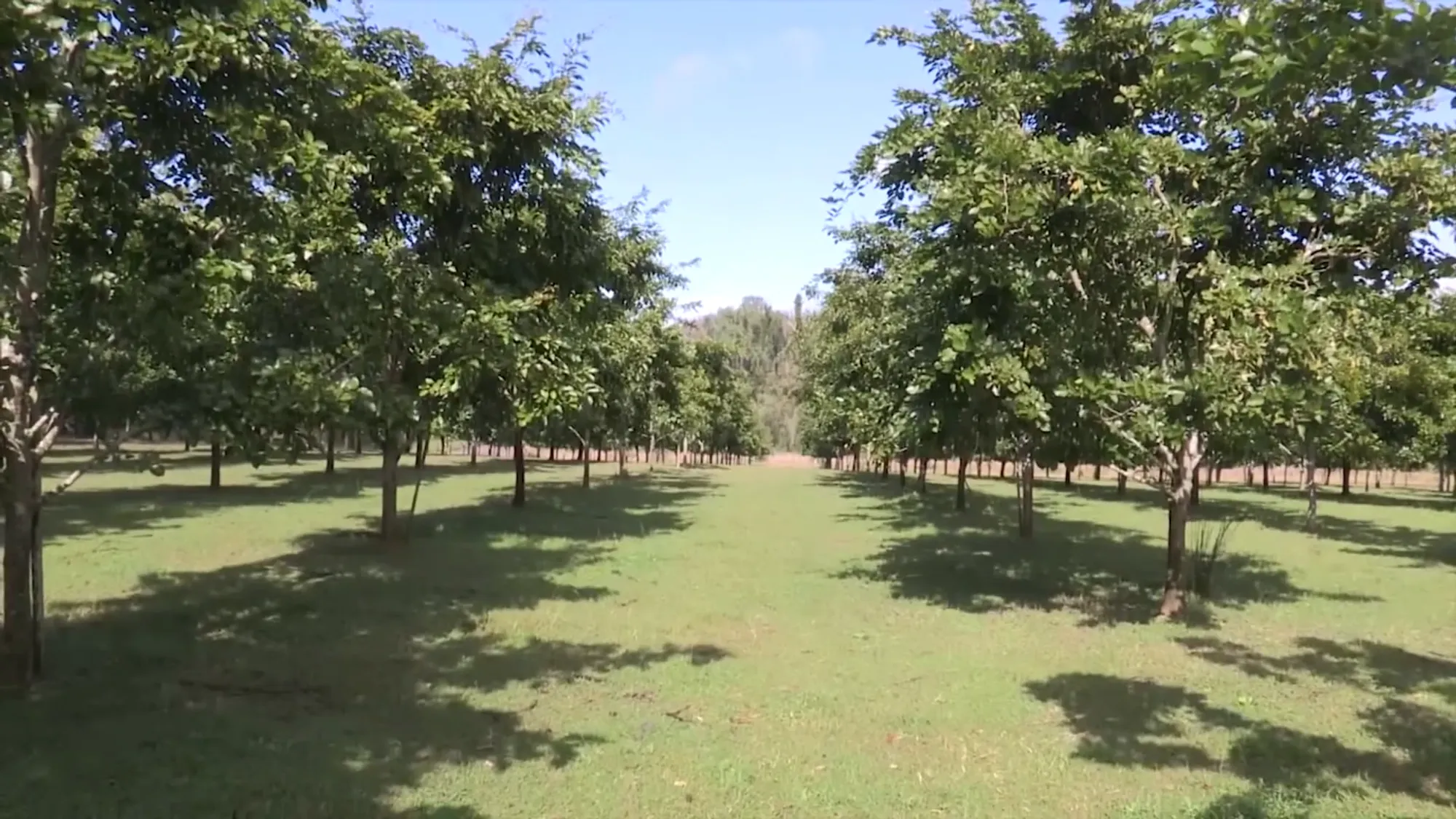
A leguminous tree native to northern Australia with a suite of characteristics that make it uniquely suited to bioenergy production on marginal land. The tree fixes atmospheric nitrogen through root symbiosis, requires no synthetic fertiliser after establishment, and tolerates the saline, drought-stressed soils common across northern Queensland and the NT.
The oil-bearing seed pods contain karanjin and pongamol — bitter compounds that render the oil completely unfit for human consumption. There is no food-vs-fuel competition in the Pongamia supply chain.
ACCU credits begin accumulating from Year 1. First seed harvest typically at Year 3–4. Full commercial oil yield (1,000–2,500 L/ha/yr) from Year 7–10. Productive life: 40+ years.
The Green Bio-Hub Concept
Green Biofuels Australia is developing the Green Bio-Hub — a regionally integrated production facility that co-locates Pongamia plantation management, oil extraction, fuel processing, carbon monitoring, and community employment within a single geographic catchment.
Seed pod intake, mechanical pressing, oil extraction and degumming on-site.
PD100™ refining, quality testing, bulk fuel storage for regional distribution.
Plantation carbon measurement, ACCU project management and CER reporting.
Harvest crews, processing operators, logistics and maintenance — local jobs.
Data collection for university trials, agronomy research and yield monitoring.
Local employment priority for Indigenous workers in harvest, processing and operations roles.
The Circular Bio-Economy
The fundamental distinction between mineral diesel and PD100™ is the carbon cycle. Mineral diesel releases carbon sequestered geologically for millions of years. PD100™ operates within the contemporary biological carbon cycle.
Pongamia trees draw atmospheric CO₂ into biomass — generating ACCU credits and building soil organic matter.
Annual seed pod harvest yields oil refined into PD100™ — the tree continues growing and sequestering carbon.
The CO₂ released on combustion is the same carbon the tree removed — no net fossil addition to the atmosphere.
Press cake from oil extraction is a protein-rich soil amendment; nitrogen fixation continuously improves land fertility.
Research Foundation
GBA's commercial programme is underpinned by active university trials in Queensland and independently verified field measurement. We publish what we find — including uncertainty where it exists.
Latest
Policy developments, research milestones, and technical analysis relevant to Pongamia biofuel development in Australia.
The Cleaner Fuels Program opens the largest domestic biofuel funding window in Australian history.
Read More →
GBA awarded grant for the first study assessing large-scale Pongamia development on rehabilitated coal mine land in central QLD.
Read More →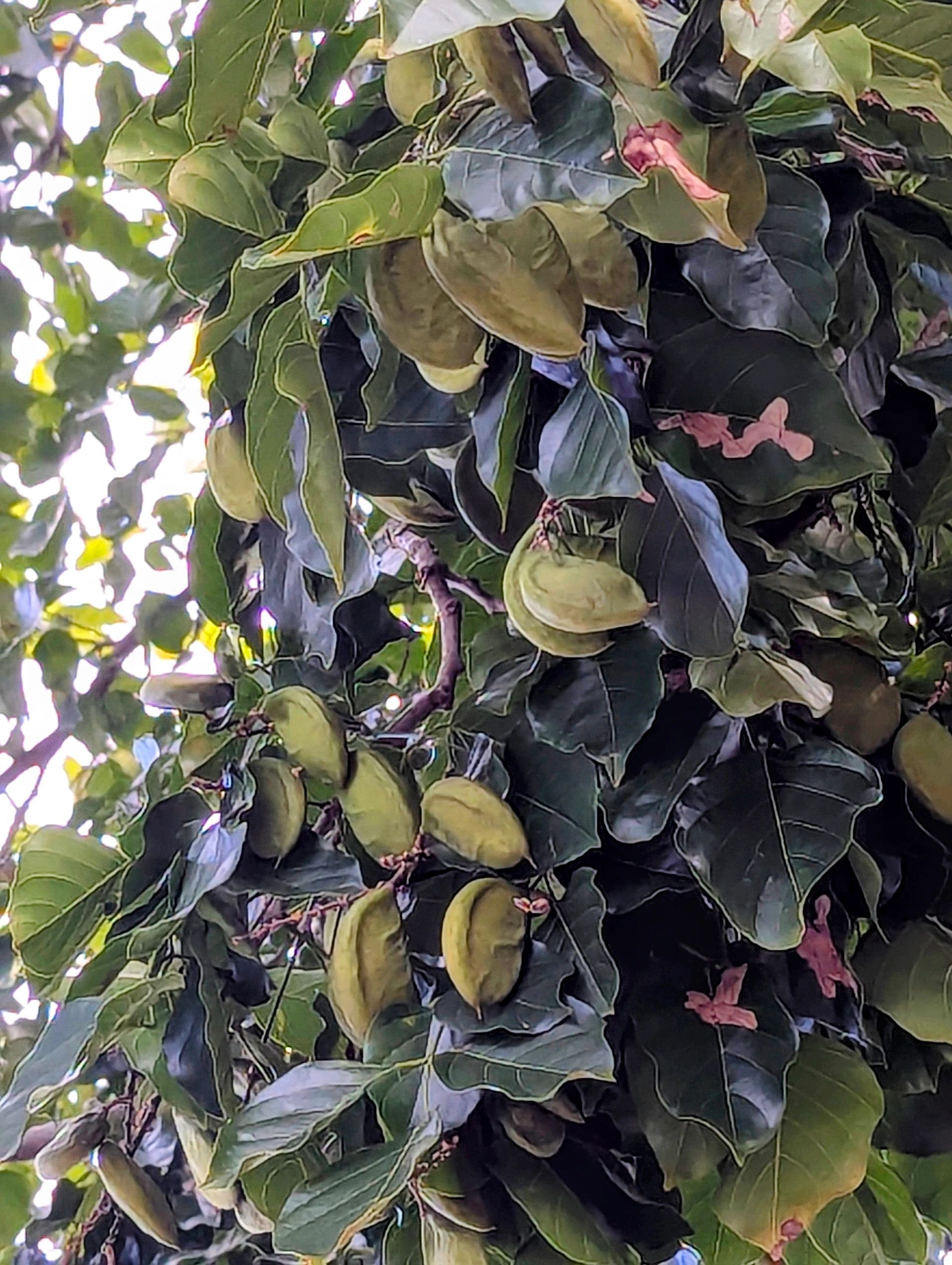
A data-focused analysis of Scope 1 fuel abatement options for mining operations under current and projected baselines.
Read More →GBA is currently in active discussions with mining operators, universities, land managers, and government agencies. All enquiries are treated in confidence.